Survey the physical envelope
Start with the route a machine will actually use. Row width alone is insufficient. Measure headlands, gateways, slopes, irrigation crossings and the space needed when the arm is extended. An orchard platform may fit between trees but be unable to turn at the row end. A greenhouse vehicle may clear the main aisle while conflicting with hanging pipes or crop-support structures.
Include seasonal changes in the survey. Canopy growth narrows passages. Fallen fruit, ruts and standing water alter traction. A route that worked before harvest may be less usable when the crop is loaded and workers are moving containers. Record where the system is permitted to operate, where a person must assist and where entry is prohibited.
Positioning depends on the environment
Satellite positioning can be useful outdoors, but tree cover, structures and signal reflections can degrade it. Correction services do not remove every source of error. Cameras, laser scanners, wheel odometry and inertial sensors provide other information, each with its own failure modes. The practical issue is how the machine detects disagreement and responds when its position estimate becomes unreliable.
Protected environments present a different localisation problem. Repeated rows can look similar, while workers and trolleys change the scene. Wheel slip can accumulate position error, and temporary obstacles can block features used for navigation. Ask what infrastructure is required: markers, surveyed maps, network coverage or prepared tracks. Those dependencies belong in the installation and maintenance plan.
The base is part of the picking mechanism
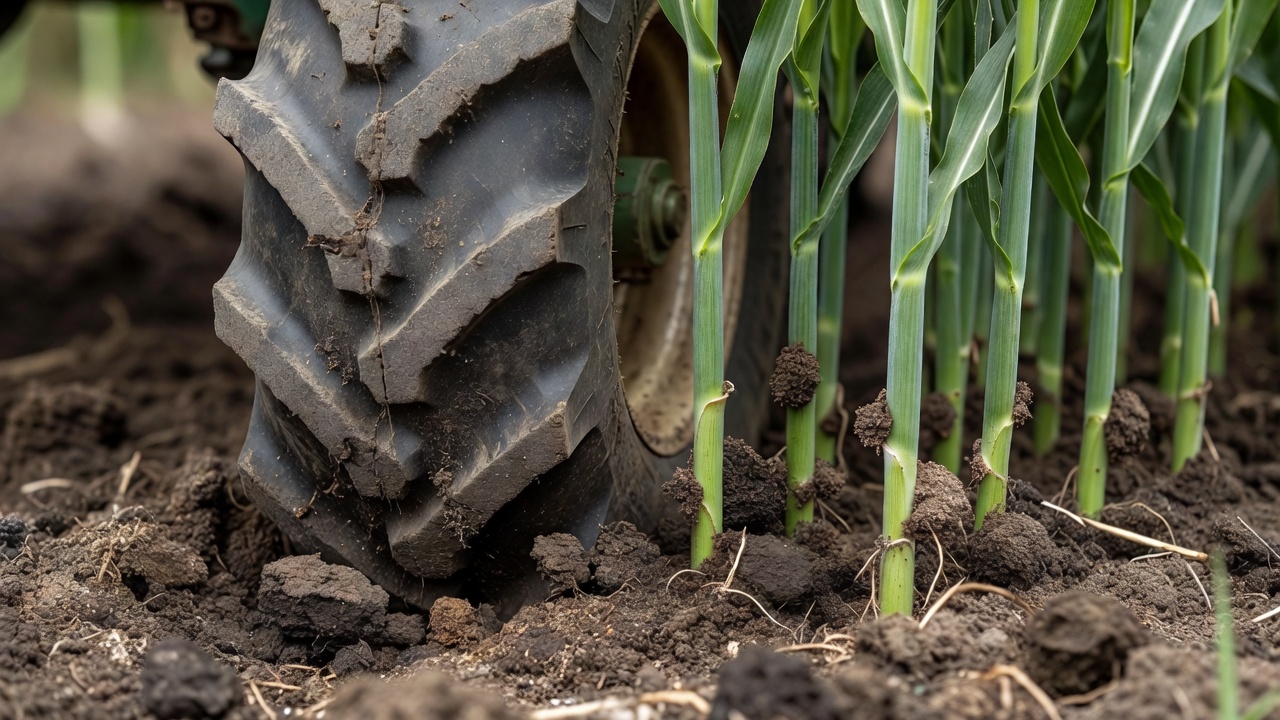
A manipulator's reach and accuracy change with its support. Uneven ground can tilt the base and shift the relationship between camera, arm and crop. Arm motion can also load the platform differently during a pick. Stopping the wheels does not guarantee a stable reference if tyres settle or the chassis continues to move.
Evaluate picking from representative working positions, not just from a level service yard. Include the container loading arrangement and the actual arm extension. If the machine must stop and stabilise before each action, measure that time. If it picks while moving, examine how relative motion is estimated and what happens when the crop or base deviates from the expected trajectory.
| Area | Constraint | Required decision |
|---|---|---|
| Headland | Turning and worker traffic | Turn autonomously or use assistance |
| Sloped row | Traction and stability | Define permissible ground conditions |
| Shared aisle | People and containers | Yield, stop and restart rules |
Treat people as expected participants
A working field is not an empty test arena. Workers may approach to inspect produce, clear a blockage or replace a container. Their behaviour cannot be reduced to a predictable obstacle path. The deployment plan needs clear access rules, emergency arrangements and a practical way to establish that the machine is safe before anyone enters a hazardous area.
A stop command is only one element of this arrangement. Consider detection coverage, stopping behaviour, stored energy, unexpected restart and the status of attached tools. Safety functions require competent assessment and validation. General navigation software, a remote camera feed or a visible warning beacon should not be assumed to provide a safety-rated protective function.
Failure mode: a temporary obstacle blocks the row
The machine may need to wait, request assistance or follow an approved alternative. Automatically driving around a trolley can take it into crop, unstable ground or a worker area. Recovery must stay inside the assessed operating envelope.
Plan the movement of harvested value
Useful output depends on more than reaching fruit. Full bins must leave, empty containers must arrive and energy must be replenished. A machine can spend a substantial part of its working period waiting for these services even when every attempted pick succeeds. Record each delay rather than merging support work into an unexplained utilisation figure.
Map the path from crop to collection point with the people who already manage harvest logistics. Check whether robotic traffic competes with existing vehicles, whether charging introduces downtime at the wrong moment and whether communications work across the intended site. The best route for the harvester may not be the best route for the farm as a whole.
Sources and further reading
- ISO 18497 series: safety of partially automated, semi-autonomous and autonomous agricultural machinery. Confirm the applicable part and edition for the machine.
- UK Health and Safety Executive: agriculture. Context: workplace risk management, not certification of a particular robot.
- John Deere autonomy information and Naïo Technologies illustrate commercial field-robot contexts; supplier information is not independent comparative evidence.