Start with the product and the plant
Crop handling is a biological problem as well as a mechanical one. Fruit size, skin condition, firmness, stem geometry and cluster arrangement vary within a row. A tool that holds one specimen securely can damage another. The plant also matters: a successful removal should not tear productive tissue, dislodge neighbouring produce or leave a hazardous stem for the next operation.
Specify the acceptable contact zones before choosing an end effector. Some crops tolerate broad support but not local pressure. Others can be handled through a stem or peduncle if it is accessible. Avoid treating softness as a complete design answer. A compliant finger can still squeeze too hard, drag across a delicate surface or trap debris against the crop.
Choose a mechanism for a defined envelope
Suction can provide access with a compact tool, but it depends on making a usable seal. Surface texture, moisture, shape and contamination affect that seal. A vacuum system also needs a way to identify a weak hold before the fruit is moved over other produce. Its pump, tubing and contact cup add inspection and cleaning tasks.
Fingered grippers can distribute support and accommodate size variation. Their useful range depends on geometry, material stiffness, force control and the space available around the target. A larger enclosure may hold fruit gently while being unable to enter a dense cluster. The arm, wrist and tool must be evaluated together because a narrow approach can disappear when the wrist rotates.
Verify detachment before moving away
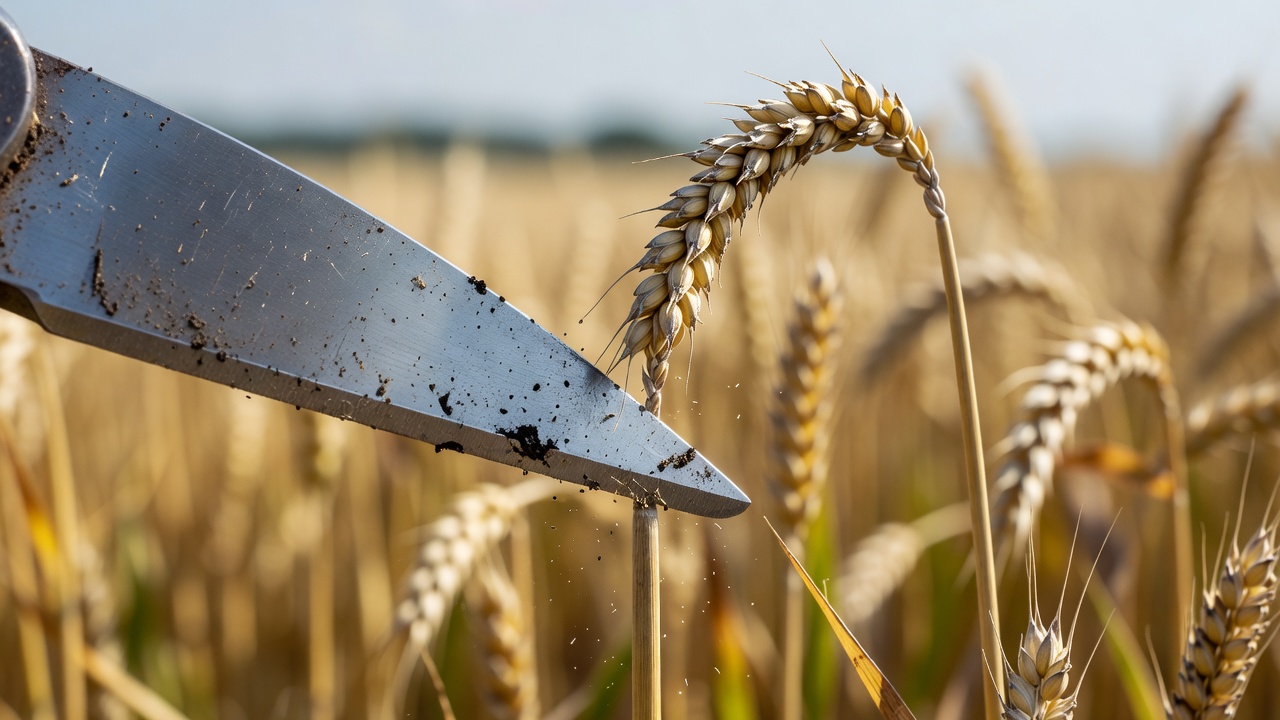
Twisting, pulling and cutting place different loads on the crop and plant. The appropriate action depends on cultivar and maturity as well as tool design. A cutter needs a reliable estimate of the stem position and a clear path that does not include a support wire. A twist-and-pull action needs room to rotate and a predictable response from the attachment.
Do not assume that a completed actuator movement means a completed harvest. A blade can miss or leave fibres attached. A suction cup can slip. Force sensing, tool-state monitoring or a fresh camera view may help identify these events, but each method must be validated in the relevant crop. The recovery action should avoid escalating a small error into plant damage.
Failure mode: two fruits enter the tool
A clustered target can bring a neighbouring fruit into the gripper envelope. Closing the tool may trap both, even when the target location was correct. A useful response is to stop and reassess access, not automatically increase force or repeat the same approach.
Follow damage beyond the picking moment
Some damage becomes visible only after storage or handling. An inspection immediately after release may miss bruising that develops later. Agree an assessment schedule that reflects the normal supply chain, and keep harvested samples linked to their trial condition. Compare like-for-like maturity and postharvest treatment rather than attributing every difference to the robot.
The deposit stage deserves equal attention. A gentle pick can be undermined by a long drop, a hard container edge or repeated collision with previously harvested produce. Record container fill level and placement behaviour. If the machine performs well only with an empty tray, that restriction belongs in its operating envelope and labour plan.
| Strategy | Primary constraint | Trial observation |
|---|---|---|
| Suction | Seal quality and surface condition | Loss of hold during transfer |
| Soft fingers | Clearance and pressure distribution | Delayed bruising and skin marks |
| Cutting | Stem location and blade access | Incomplete cuts and plant injury |
Treat cleaning and wear as operating work
Crop residue, sap and soil can change friction and sensing. Replaceable surfaces, accessible fasteners and clear cleaning instructions are therefore operational features, not finishing details. Ask how long the normal cleaning process takes and which parts must be removed. Check whether a damaged soft component can be replaced without recalibrating the whole tool.
Food hygiene obligations depend on the crop, operation and jurisdiction. Tool materials and cleaning products must suit their intended contact and use. A robotics demonstration does not establish food-safety compliance. Involve the responsible food-safety professional when defining cleaning records, contamination controls and the transition from field contact to packing.
Ask for the whole handling record
A useful report distinguishes approach failures, failed holds, incomplete detachment, transfer drops, visible damage and delayed damage. It should also record plant injury and manual recovery. These categories explain why a tool underperforms and prevent a high grasp rate from masking losses elsewhere. The most useful comparison is accepted output under the same crop specification, not the most attractive isolated movement.
Sources and further reading
- Bac et al., 2014, review of harvesting robots for high-value crops. Context: manipulation, perception and system integration.
- Bac et al., 2017, “Performance Evaluation of a Harvesting Robot for Sweet Pepper.” Read the evaluation. Results concern its stated crop and trial conditions.
- UC Davis Postharvest Research and Extension Center provides crop-specific postharvest guidance; the UK Food Standards Agency provides food-safety guidance.